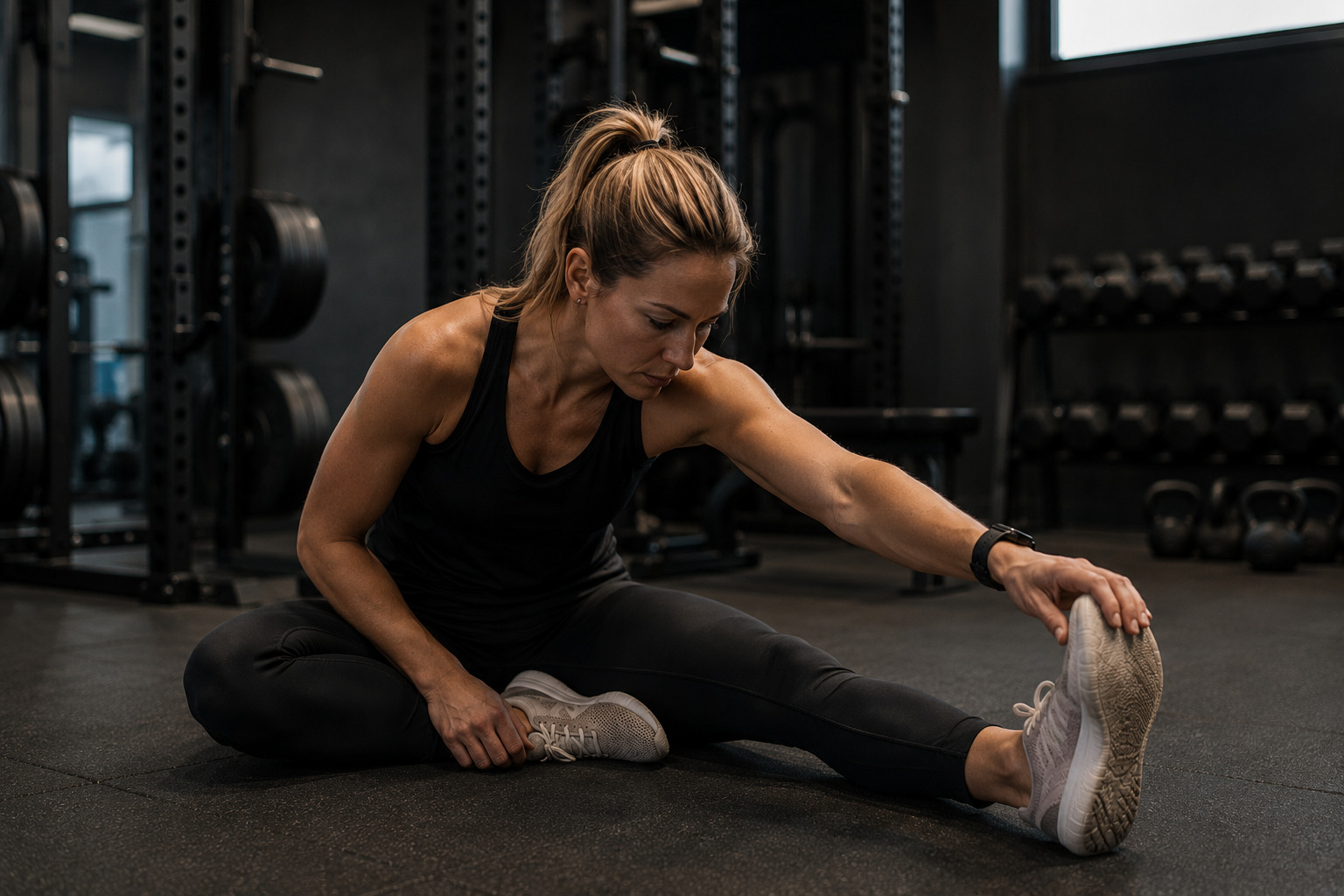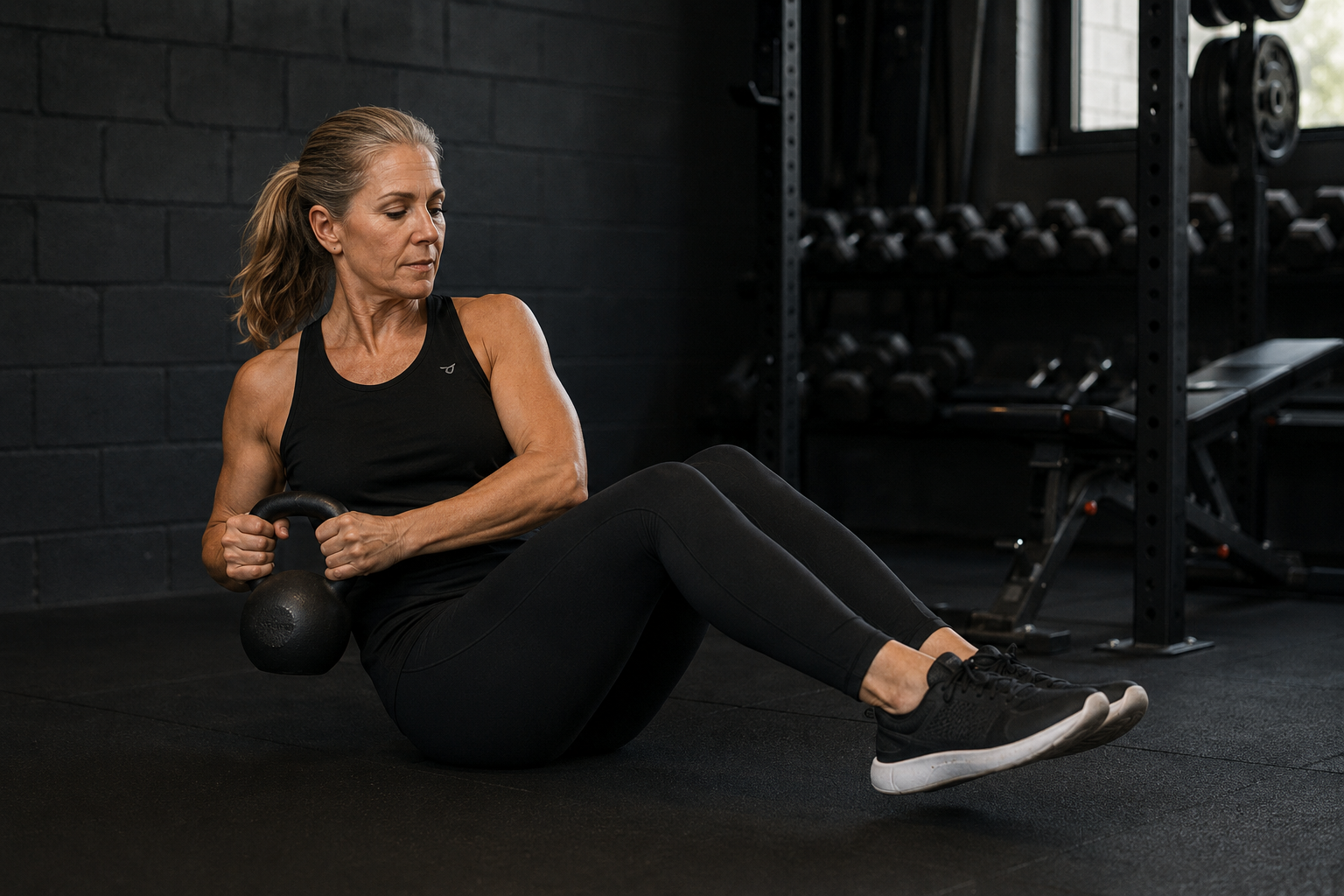

The first few months of training are usually the easiest.
You start exercising consistently, clean up your nutrition a bit, and suddenly the scale moves, your clothes fit better, and you feel stronger. Then somewhere around the three-month mark, everything slows down.
This is where most people get frustrated. They assume the program stopped working, they need a new workout, or they’re somehow doing something wrong. In reality, there’s usually a much simpler explanation. Here’s why most people stop seeing results after 3 months, and what to do about it.
The Beginner Gains Are Gone
When you first start training, almost anything works.
Your body is responding to a completely new stimulus. Strength improves quickly. Fitness improves quickly. Even small improvements in nutrition can lead to noticeable fat loss.
These early changes create the impression that progress should always happen at the same speed.
The problem is that your body adapts. The training that produced rapid results in month one becomes normal by month three. This doesn’t mean you’ve stopped improving. It means you’ve moved beyond the beginner phase.
Progress becomes slower, more gradual, and harder to notice week to week.
You’re Doing The Same Thing Every Week
One of the biggest reasons people stop seeing results after 3 months is that nothing in their training changes.
They’re lifting the same weights, doing the same number of reps, and following the exact same routine they started with.
Your body only adapts when it’s challenged.
If you squatted 60kg for 8 reps three months ago and you’re still squatting 60kg for 8 reps today, there’s no reason for your body to build more muscle or get stronger.
Progressive overload still matters.
That doesn’t always mean adding weight to the bar. It can mean improving technique, increasing reps, adding sets, reducing rest periods, or improving training quality. But some form of progression needs to be present.
Without it, results eventually stall.
Recovery Starts Limiting Performance
Most people focus entirely on training and ignore recovery.
At first, this works because training loads are relatively low. As you become stronger and fitter, recovery becomes a bigger part of the equation.
Poor sleep, high stress levels, inadequate nutrition, and inconsistent recovery habits start catching up with you.
I’ve worked with plenty of clients who thought they needed a new program when the real issue was that they were sleeping five hours a night and running on caffeine.
Your body doesn’t adapt during training.
It adapts after training.
If recovery is poor, performance suffers. If performance suffers, progress slows.
That’s often why someone feels stuck despite training hard.
Your Expectations Become Unrealistic
Social media has created some very unrealistic expectations around fitness progress.
People expect to lose fat every week. They expect to add muscle continuously. They expect visible changes every month.
Real training doesn’t work like that.
The leaner you become, the harder fat loss gets. The more experienced you become, the slower muscle gain becomes. Strength improvements that once happened weekly may eventually take months.
This is completely normal.
A plateau isn’t always a sign that something is broken. Sometimes it’s simply a sign that you’ve moved past the easy stage and entered the phase where consistency matters more than motivation.
The people who achieve long-term results understand this.
They stop chasing quick fixes and focus on accumulating months and years of quality training.
You’re No Longer Tracking The Right Things
Many people judge progress using only the scale.
That can become a problem after the first few months.
If you’re gaining muscle while losing fat, body weight might not change much. If you’re eating more to support performance, the scale may even increase slightly.
Meanwhile, your strength is improving, your body composition is changing, and your fitness is getting better.
That’s why I encourage clients to track multiple markers:
- Strength improvements
- Body measurements
- Progress photos
- Training performance
- Energy levels
- Recovery quality
When you only focus on body weight, it’s easy to miss genuine progress.
Practical Takeaways
- Accept that progress naturally slows after the beginner phase.
- Make sure your training includes some form of progressive overload.
- Prioritise sleep and recovery as seriously as your workouts.
- Track more than just body weight.
- Stay consistent for months, not weeks, before deciding a program isn’t working.
Most people stop seeing results after 3 months because the easy gains are gone, not because they’ve failed. At that point, training becomes less about finding the perfect program and more about improving the basics consistently.
Focus on progression, recovery, and patience. Those three things solve most plateaus.
If you’ve hit a plateau and aren’t sure what’s holding you back, I can help you identify the problem and build a plan that fits your goals. Reach out on WhatsApp or fill in the enquiry form on the site.
Ready to apply this properly?
Reading the article gives you the information. Coaching gives you the structure, accountability and adjustments needed to turn that information into measurable results.
Whether your goal is body transformation, strength, performance or long-term health, coaching provides a personalised roadmap built around you.