
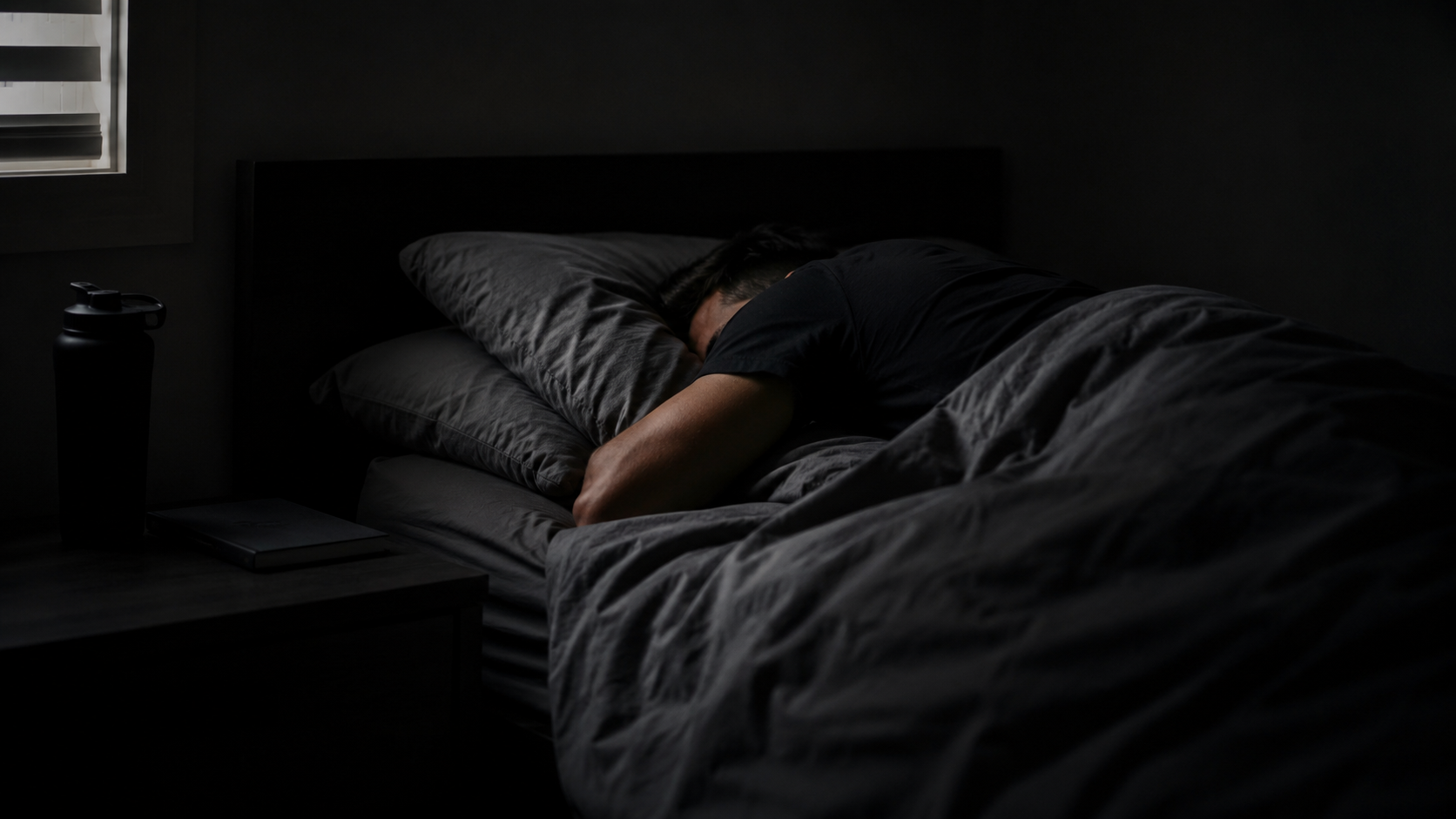
Most people focus on training and nutrition. They obsess over workout programs, protein intake and supplements.
Then they sleep five or six hours a night and wonder why progress feels slow.
If your recovery is poor, your results will be too. Sleep affects muscle growth, fat loss, performance, energy levels and even your ability to stay consistent. In my experience, it’s the most overlooked part of any training plan.
Why Sleep Matters More Than Most People Think
Training is not where you get stronger.
Training is where you create stress. Recovery is where adaptation happens.
Every hard session places demands on your muscles, nervous system and energy stores. Sleep is when much of the repair process takes place. Your body uses this time to recover from training, rebuild tissue and prepare for the next session.
You can have the perfect workout program and nutrition plan, but if your sleep is poor, you’re making progress harder than it needs to be.
Poor Sleep Impacts Performance Quickly
Most people notice the effects of poor sleep long before they realise what’s causing them.
You may feel less motivated to train. Your workouts feel harder. Weights that normally move well suddenly feel heavy. Concentration drops and recovery between sessions slows down.
Research consistently shows that sleep deprivation reduces physical performance, reaction time and cognitive function. Even a few nights of inadequate sleep can have a noticeable effect.
This becomes especially important if you’re training hard, preparing for an event or trying to balance work, family and exercise.
Sleep Helps With Fat Loss and Muscle Growth
Many people think fat loss is only about calories.
Calories matter, but sleep influences the behaviours and physiological processes that make fat loss possible.
When you’re sleep deprived, hunger tends to increase. Cravings become harder to manage. Decision-making gets worse. Recovery suffers, which often means training quality drops too.
The same applies to muscle growth. Building muscle requires a training stimulus, adequate nutrition and sufficient recovery. Sleep is a major part of that equation.
If you’re trying to lose fat without losing muscle, or build strength and size, improving your sleep is often one of the quickest wins available.
How Much Sleep Do You Actually Need?
Most active adults should aim for seven to nine hours of quality sleep per night.
Some people function well on the lower end of that range. Others need more. The key is looking at your performance, energy levels and recovery rather than chasing a perfect number.
If you’re constantly tired, struggling through workouts or relying on excessive caffeine to get through the day, your sleep may need attention.
Consistency matters as much as duration. Going to bed and waking up at roughly the same time each day tends to improve sleep quality significantly.
Practical Takeaways
- Aim for 7 to 9 hours of sleep every night.
- Keep your sleep and wake times consistent, even on weekends.
- Reduce screen exposure before bed where possible.
- Keep your bedroom cool, dark and quiet.
- Treat sleep as part of your training plan, not something that happens after it.
Most people are looking for the next supplement, training method or nutrition strategy to improve results.
In many cases, the biggest opportunity is already available every night. Better sleep supports better recovery, better training and better long-term progress.
If you want a training and recovery plan built around your actual lifestyle, reach out through the enquiry form on the site. I’ll help you build a plan that works in the real world.
Ready to apply this properly?
Reading the article gives you the information. Coaching gives you the structure, accountability and adjustments needed to turn that information into measurable results.
Whether your goal is body transformation, strength, performance or long-term health, coaching provides a personalised roadmap built around you.