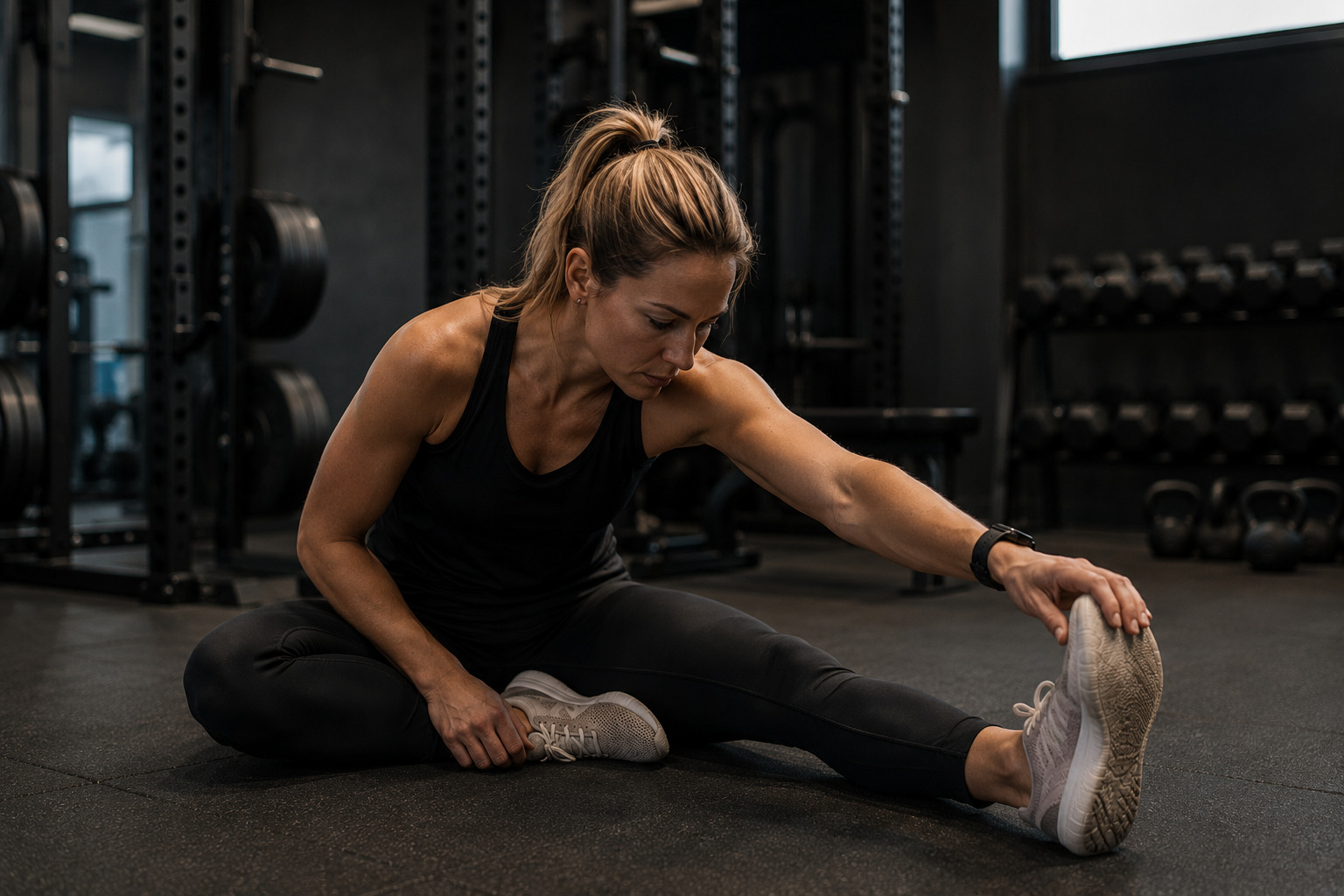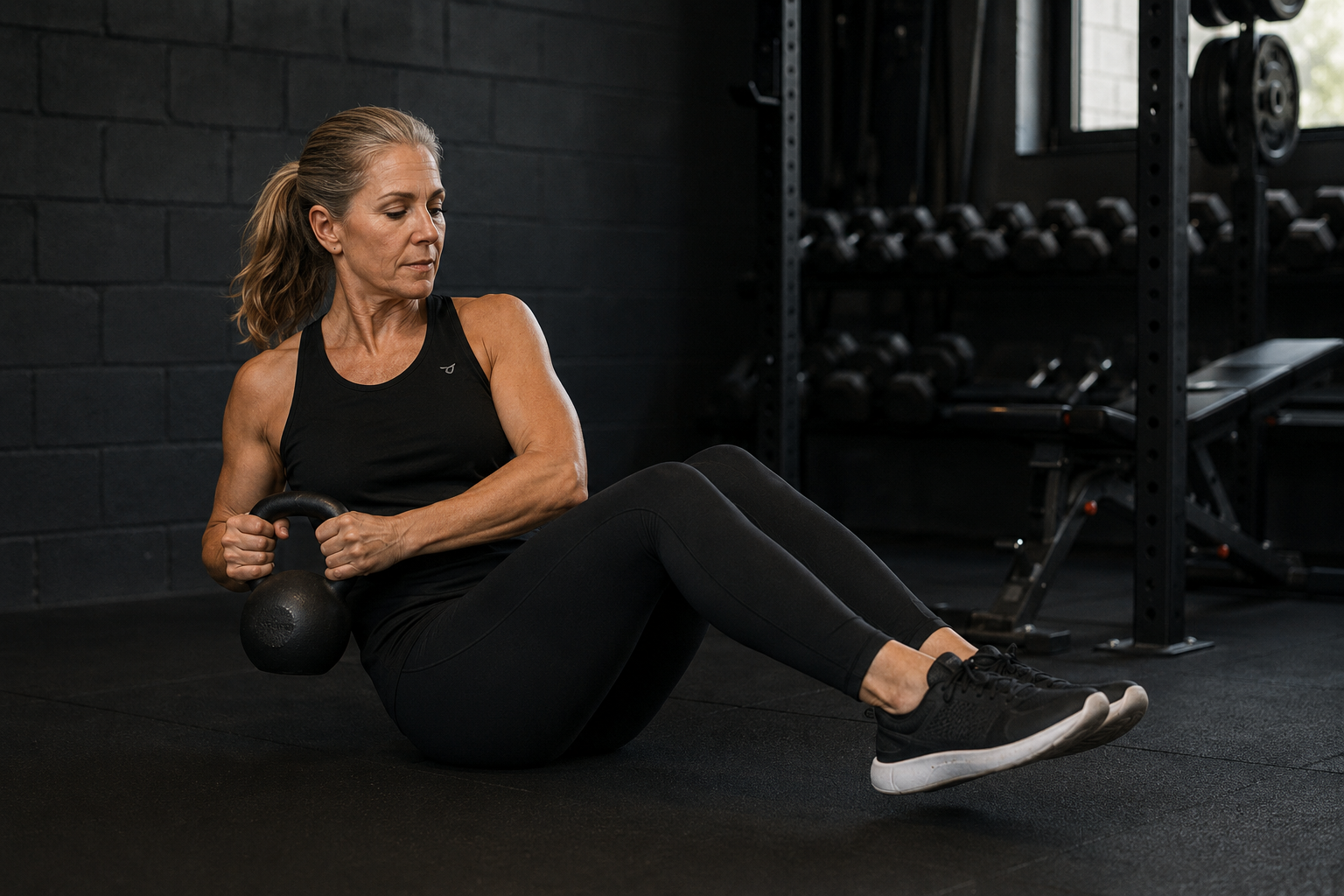
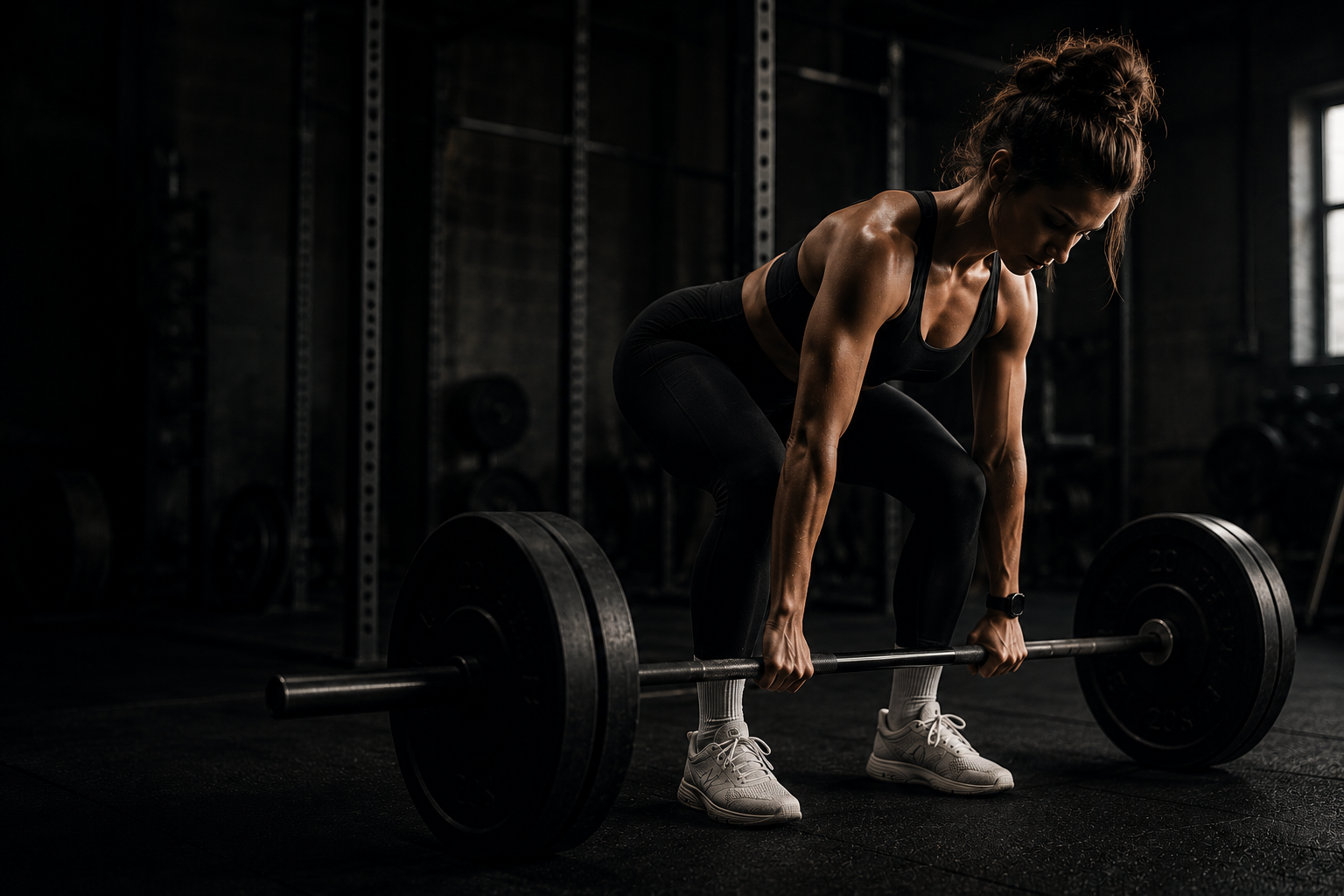
A lot of people spend months, sometimes years, building muscle, then lose a chunk of it during a fat loss phase.
The problem is not fat loss itself. The problem is how most people approach it. They slash calories, do endless cardio, and stop training with enough intensity.
If you want to lose fat without losing muscle, you need a different approach. In this article, I’ll cover the key principles that help you keep your hard-earned muscle while reducing body fat.
Why Muscle Loss Happens During Fat Loss
When you’re trying to lose body fat, you need to create a calorie deficit. That part is unavoidable.
The issue starts when the deficit becomes too aggressive. If you’re eating far too little, your body has less energy available to support recovery, training performance, and muscle maintenance. Over time, muscle loss becomes more likely.
Another common mistake is treating fat loss as a fitness challenge rather than a nutrition challenge. People often double their cardio, cut their food intake dramatically, and hope for the best.
Your body doesn’t know you’re trying to look leaner for summer. It responds to stress. Too much stress from dieting and training can make holding onto muscle much harder.
Keep Strength Training Your Priority
One of the biggest mistakes I see is people changing their training completely when they start dieting.
They stop lifting heavy weights and replace their normal programme with high-rep circuits, endless classes, or daily cardio sessions.
This is usually a bad trade-off.
Your body keeps muscle when it has a reason to keep it. Strength training provides that reason. If you continue challenging your muscles with progressive resistance training, you’re sending a clear signal that the muscle is still needed.
During a fat loss phase, your goal is not necessarily to build large amounts of new muscle. Your goal is to maintain strength as much as possible.
If your lifts are holding steady and your body weight is gradually decreasing, you’re generally on the right track.
How Much Protein Do You Need?
Protein is one of the most important tools for preserving muscle during fat loss.
When calories are lower, protein becomes even more important because it helps support muscle repair and recovery. It also helps manage hunger, which makes dieting more sustainable.
Most active people trying to lose fat without losing muscle should aim for roughly 1.6 to 2.2 grams of protein per kilogram of body weight per day.
For example, if you weigh 80 kg, a daily protein intake between 128 and 176 grams is usually a sensible target.
Good protein sources include:
- Lean meat
- Fish
- Eggs
- Greek yoghurt
- Cottage cheese
- Whey protein
- Legumes and higher-protein plant foods
You don’t need perfection. You do need consistency.
Avoid Extreme Calorie Deficits
The faster you try to lose weight, the greater the risk of losing muscle along the way.
This is why crash diets often fail. People may lose weight quickly, but a significant portion of that weight can come from muscle mass, water, and glycogen rather than body fat alone.
A moderate calorie deficit is usually the smarter option.
For most people, aiming to lose around 0.5% to 1% of body weight per week is a good starting point. This allows fat loss to happen while giving your body a better chance of maintaining muscle tissue.
Patience matters here.
I’ve worked with many clients who achieved far better body composition results by losing fat slightly slower. They ended up leaner, stronger, and with more muscle retained than those who tried to rush the process.
Recovery Matters More Than You Think
Recovery becomes more important when calories are lower.
When you’re dieting, your body has fewer resources available for recovery. Poor sleep, excessive training volume, and chronic stress can all increase the likelihood of muscle loss.
Sleep is often the lowest hanging fruit.
Most adults should aim for around seven to nine hours of quality sleep each night. Consistently poor sleep can affect training performance, recovery, hunger regulation, and fat loss progress.
You also don’t need to do cardio every day.
Cardio can be a useful tool for increasing energy expenditure, improving fitness, and supporting fat loss. The key is using it strategically rather than treating it as punishment for eating.
A combination of strength training, sensible nutrition, and moderate cardio usually works better than trying to burn off every calorie through exercise.
Practical Takeaways
- Maintain a moderate calorie deficit rather than using a crash diet.
- Keep strength training as your main training priority.
- Eat 1.6 to 2.2 grams of protein per kilogram of body weight daily.
- Aim to lose roughly 0.5% to 1% of body weight per week.
- Prioritise sleep and recovery just as much as training and nutrition.
If your goal is to lose fat without losing muscle, the answer is rarely to train harder and eat less. The answer is usually to train intelligently, eat enough protein, recover properly, and stay patient.
Fat loss and muscle retention can happen at the same time when the process is managed correctly. Focus on consistency, not extremes.
If you want a fat loss plan that helps you get leaner while keeping the muscle you’ve worked hard to build, reach out on WhatsApp or fill in the enquiry form on the site.
Ready to apply this properly?
Reading the article gives you the information. Coaching gives you the structure, accountability and adjustments needed to turn that information into measurable results.
Whether your goal is body transformation, strength, performance or long-term health, coaching provides a personalised roadmap built around you.